Era of expansion
Mid-1800s to early-1900s lighthouse surge
Many of the northern coast towers first rose in this long industrial-maritime stretch.
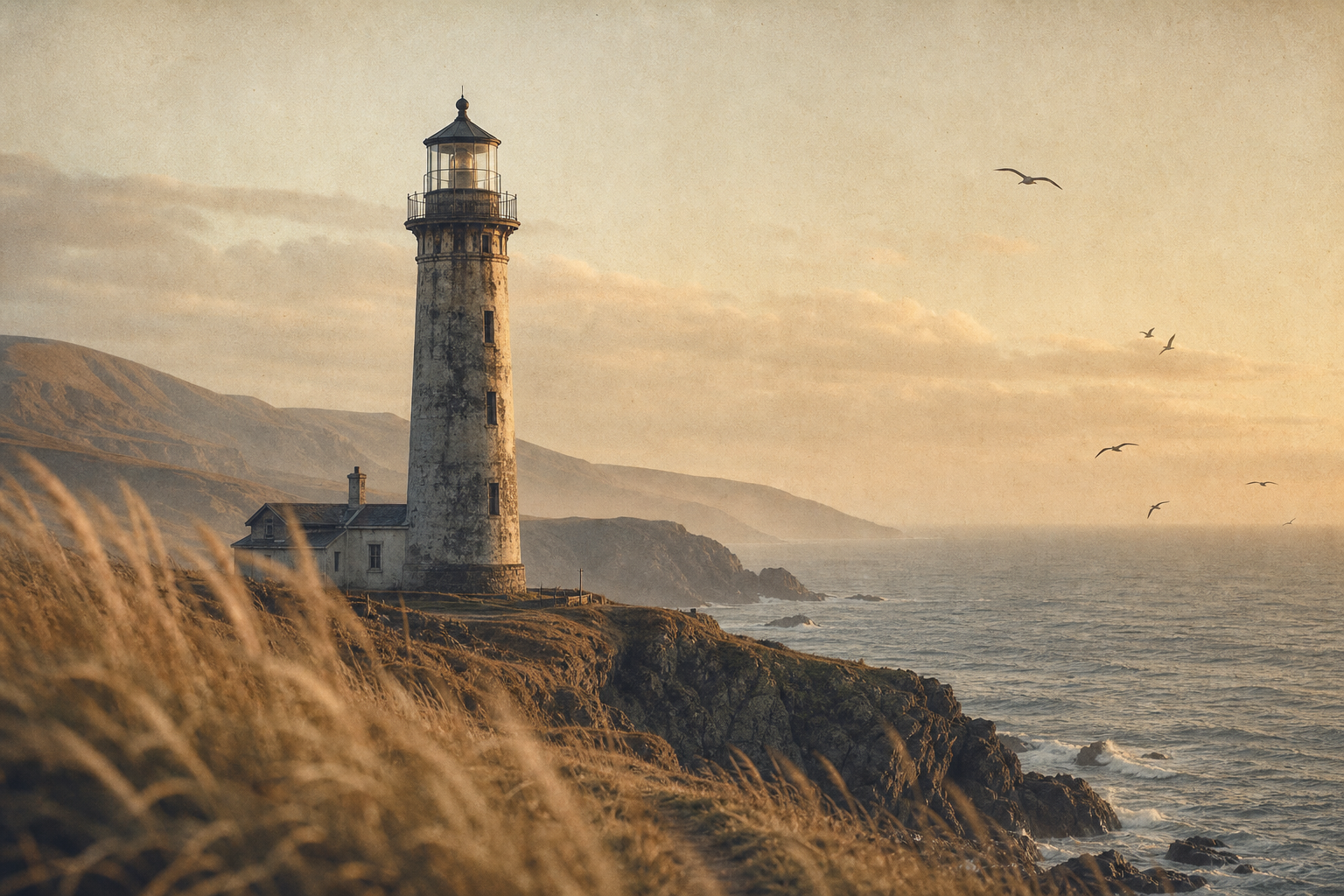
Northern coast maritime heritage
This site gathers archive photographs, keeper stories, and a map of preserved towers to trace how lighthouse life shaped the northern shoreline.
Coastal timeline, at a glance
Era of expansion
Mid-1800s to early-1900s lighthouse surge
Many of the northern coast towers first rose in this long industrial-maritime stretch.
Coastal hazards
Fog banks, reefs, and winter surf
Their beams warned ships through low visibility, jagged rock lines, and rough weather.
Keeper labor
Nightly watches kept the coast legible
Routine lamp work, weather logs, and constant vigilance powered each signal.
Preserved today
A visible chain of towers still remains
Several stations endure through restoration, local stewardship, and public memory.
History overview
From trade lanes to preservation campaigns, this shoreline built a shared language of light that still guides memory and movement today. Continue to keeper stories
Growing harbors and packet routes made nighttime coastal travel routine, but also dangerously uncertain in rough weather.
Merchants and pilots pressed for permanent lights so shoals, inlets, and headlands could be read consistently after dark.
Keepers maintained lamps, logged storms, and formed local warning networks that linked fishing villages to shipping corridors.
As automation spread, communities documented remaining stations and secured protected status for towers that still anchor coastal memory.
Lives behind the lantern
Short archival notes from station logs and family letters, tracing the ordinary discipline that kept the lights reliable through long seasons.
Winter Watch · 1894
"When the sea erased the horizon, the bell became our shoreline."
During a six-night fog bank, Mara logged every quarter-hour bell strike by hand, warming ink by the stove so entries would not freeze before dawn.
Related archive photographLantern Duty · 1902
"Clean glass, trimmed wick, and patience against the gusts."
Jonas worked with a canvas screen tied to the rail to shield the flame chamber, repeating the polish-trim-check cycle three times on gale nights.
See period contextFamily Quarters · 1911
"We measured weeks by supply boats and clear nights."
With school lessons at the kitchen table and tide charts pinned beside recipes, the Rourkes built family routine around isolation, weather, and duty calls.
Locate surviving stationsArchive gallery
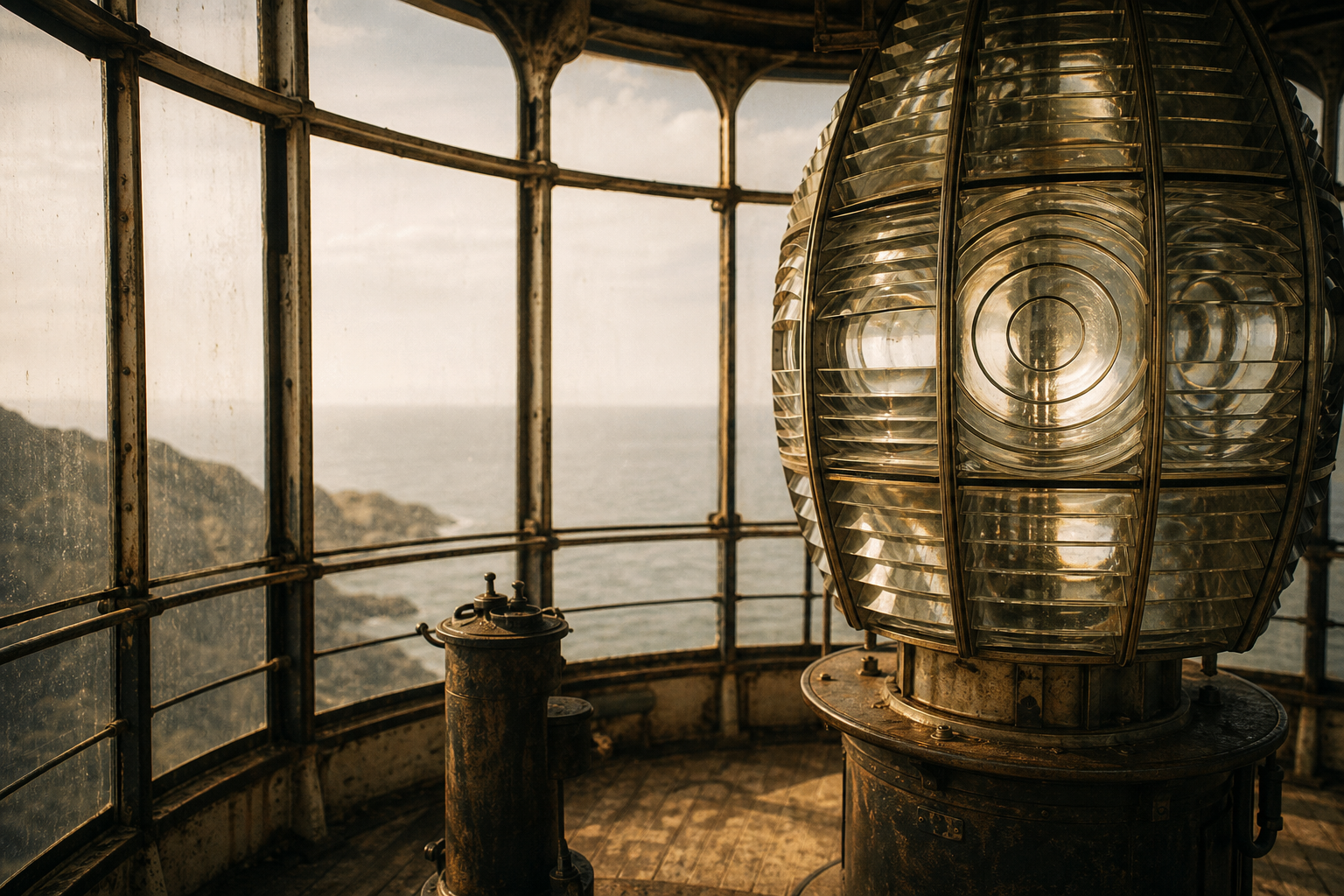
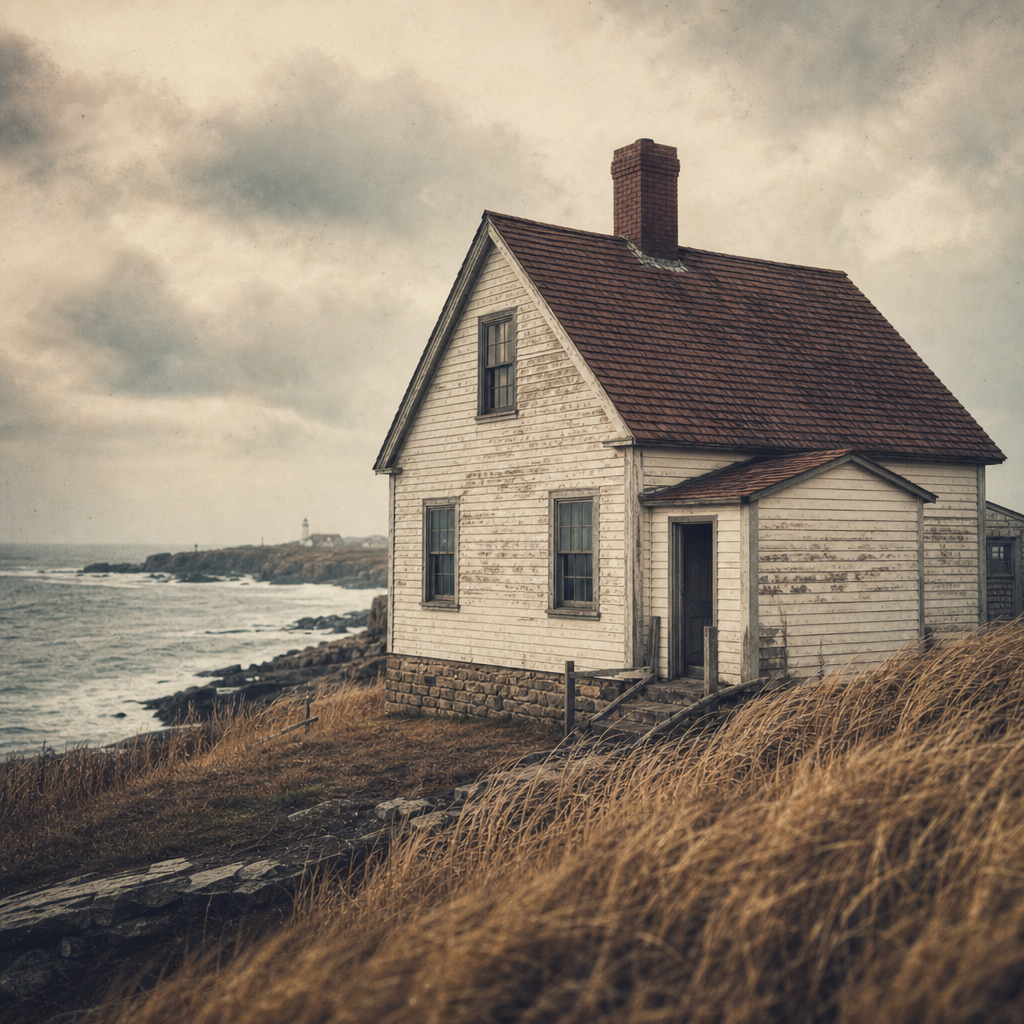
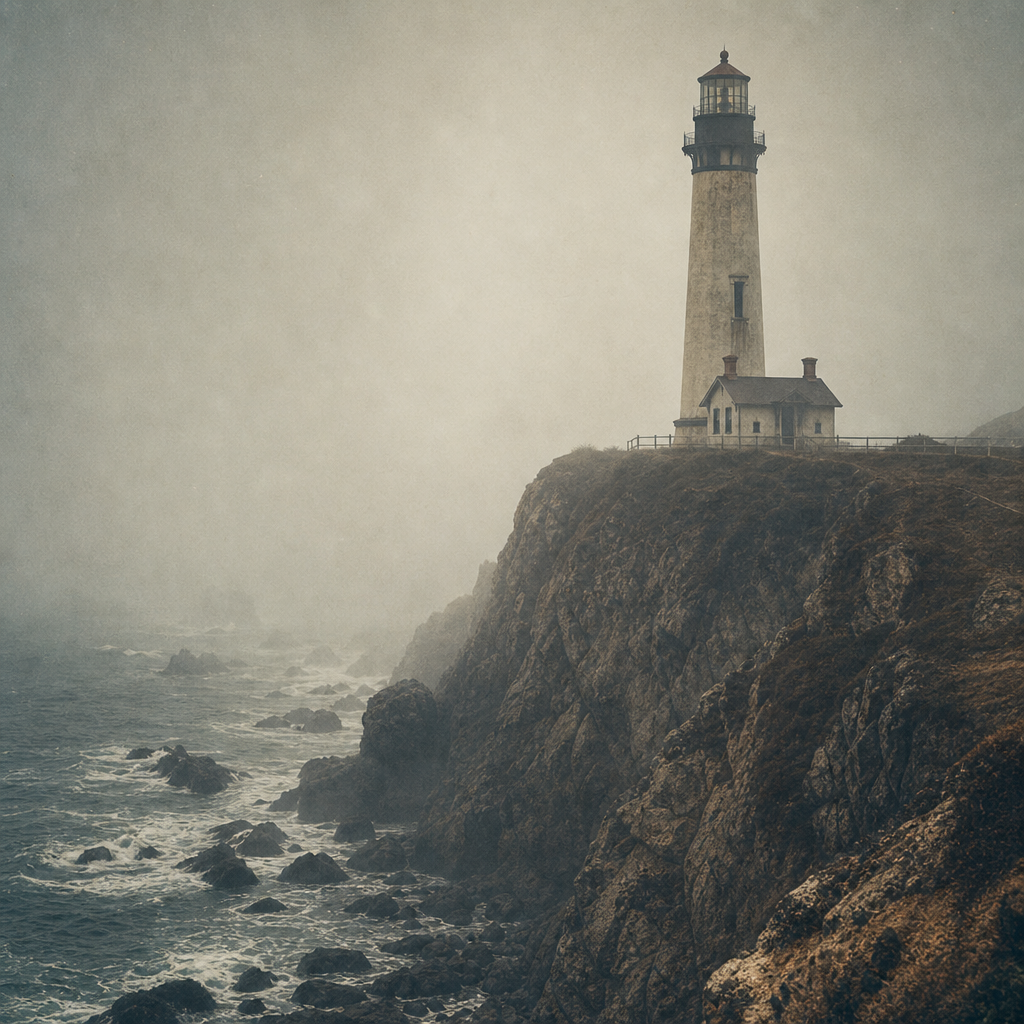
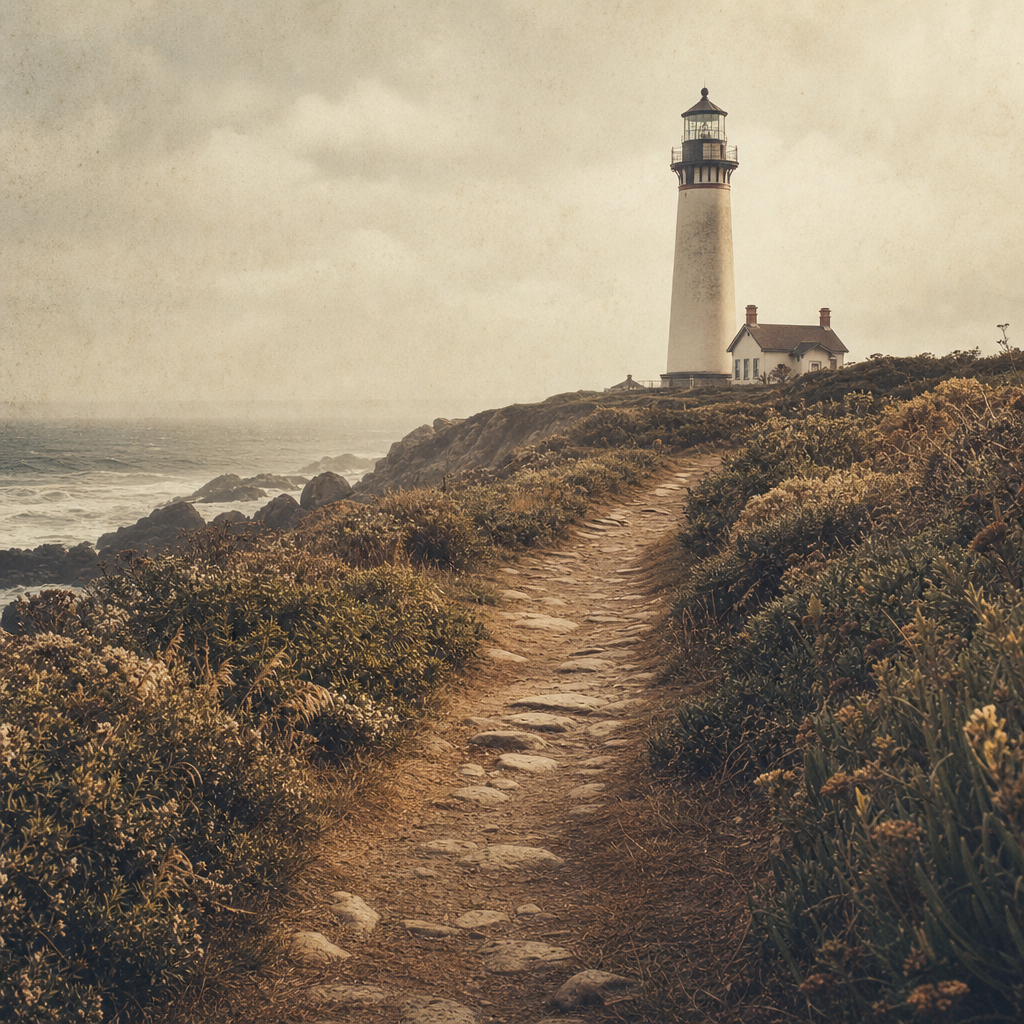
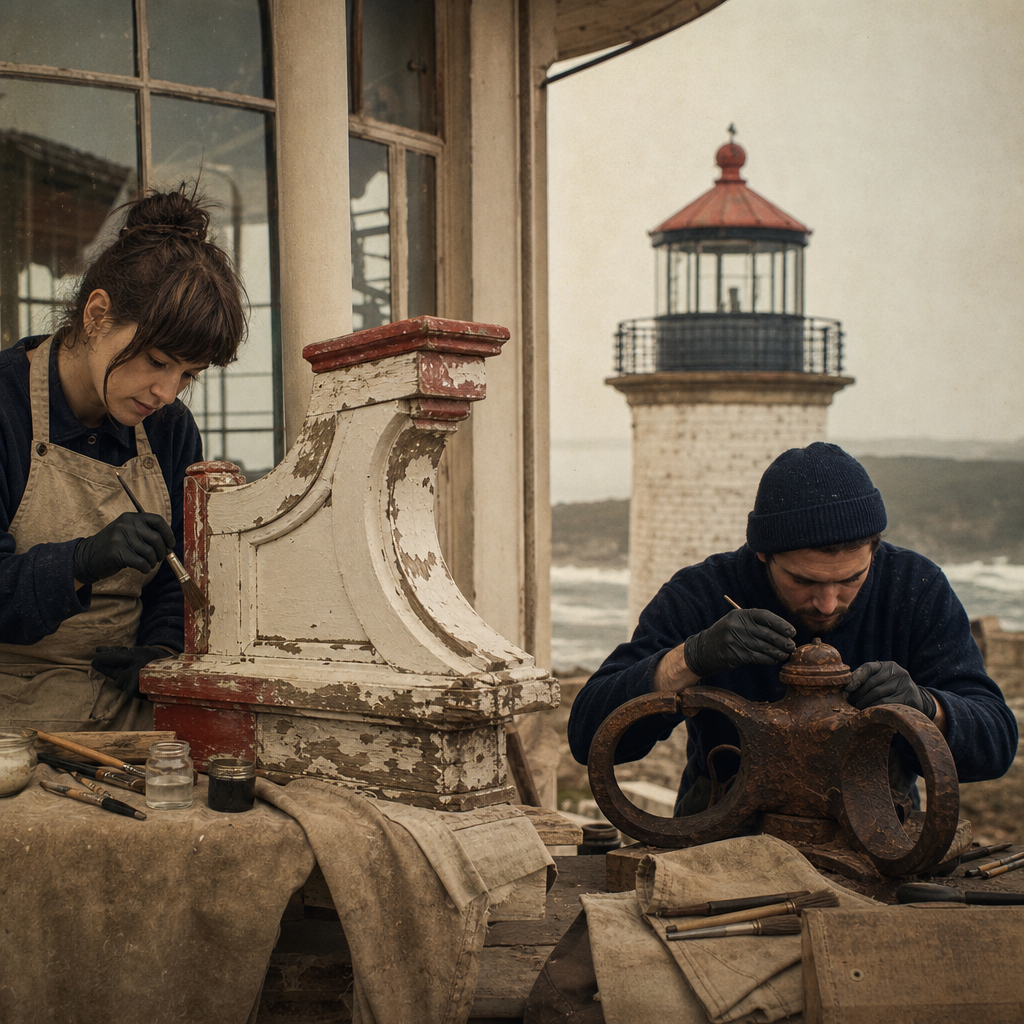
Six preserved moments from lantern rooms, shoreline paths, and restoration benches—framed like prints from a small coastal archive wall.

Preserved Towers Map
A living coastline of beacons: trace the northern shore and match each surviving tower to its setting, era, and preservation story.
Practical Notes
A few grounded answers to help you explore the northern coast’s lighthouse history with care and context.
Some are, especially those managed by local trusts or seasonal heritage programs. Others can only be viewed from surrounding paths or harbor approaches, depending on ownership, safety limits, and conservation policy.
In this project, “preserved” indicates that a tower still physically stands and is documented as protected, maintained, or stabilized to some degree. It does not always mean fully restored interiors or regular public admission.
Many sites sit on fragile cliffs, active navigation grounds, or private land. Restricted access helps protect vulnerable structures, nearby habitats, and visitors where stairways, lantern decks, and foundations may no longer be safe for general entry.
Images are curated as historical records rather than polished postcards. Captions note approximate dates, locations, and source context when available, so visitors can read each photograph as evidence of working coastal life and changing conditions.
Storm cycles, erosion, harbor engineering, and evolving navigation technology have all reshaped both shoreline and tower design. Comparing records across decades reveals relocations, reinforcements, and occasional losses that mark the coast’s ongoing adaptation.
Please explore paths, viewpoints, and archive material with patience and respect—these beacons endure through careful stewardship, and every visit can help sustain the memory of maritime heritage.